
Knowing the Line
A 5-Module Mini-Course for Credentialed Health Professionals Who Are Done Second-Guessing Every Word They Write
THE FEAR HAS A NAME.
You didn’t get here by accident. Years of clinical training, a credential behind your name, real outcomes in your practice. And somehow, when you sit down to write a post or put together a client handout, something stops you cold.
Maybe you’ve been flagged. Maybe you got close and deleted the post yourself before anyone could see it. Maybe you’ve never had an incident but you lie awake afterward anyway, running back through every sentence, wondering if today was the day you crossed a line.
Or maybe you’re just starting to build your coaching presence, and you want to get it right from the beginning, before the anxiety even has a chance to take hold.
Wherever you’re coming from, you already know the feeling. That quiet pause before you hit publish. The voice that asks: Is this within my scope? Am I implying something I can’t back up? What if someone screenshots this?
That’s not being overly cautious. It’s not a lack of confidence. It’s a real professional risk. And it has been keeping your coaching business smaller than it deserves to be.
You don’t need more information about scope of practice. You need a framework for what to say.


HERE’S WHAT NOBODY TELLS YOU.
You know your scope of practice. What you haven’t been taught is how to stay inside it, sentence by sentence, whether you’re writing content or talking with a client who comes to you as a health professional, not a friend.
Nobody gave you the language. Nobody handed you a framework for what to say, how to say it, and how to know you’re on solid ground before you post, before the session, before the handout goes out.
So you’ve been doing what most coaches do. Writing, then checking. Posting, then worrying. Running your content through AI tools and hoping the results hold up. Asking colleagues who are just as uncertain as you are.
That’s not a system. That’s anxiety with extra steps. And it was never going to give you the confidence you’re looking for, because confidence doesn’t come from checking. It comes from building something that was scope-safe from the ground up.
That’s exactly what Knowing the Line was built to give you.
WHAT KNOWING THE LINE ACTUALLY DOES.
This is a five-module mini-course in scope of practice language, built specifically for nurses, nurse practitioners, and credentialed health professionals who are ready to show up in the coaching space without the constant second-guessing.
It’s not a legal overview. It’s not a list of words to avoid. It’s a working framework, the kind you can apply before you write a single sentence, before you record a video, before a client session begins. The kind that builds your scope of practice into the work from the start, instead of retrofitting it onto content you’ve already published and then second-guessed.
When you finish this course, you won’t just know more about scope of practice. You’ll have a clear, repeatable system you can use for everything you create, every session you lead, every word you put in front of a client.
That’s a different kind of confidence. And it’s available right now.
WHAT YOU’LL LEARN INSIDE.
Five short video modules, each one under fifteen minutes. You can work through the whole course in an afternoon, or take one module at a time.
Module 1: You Are Not Being Paranoid
Why scope fear is professional caution, not imposter syndrome. What real enforcement looks like, from a shadowban to a felony, and why the line is clearer than you think.
Module 2: The Three Trigger Categories
The specific types of language that flag health content and invite regulatory scrutiny, and how to spot them in your own writing.
Module 3: The Three-Question Scope Check
A simple, repeatable check you can run on anything you write before it goes out: a post, an email, a page. It takes about thirty seconds.
Module 4: The Dual-Credential Dilemma
Why your board can still hold you to your license when you coach, what has to be in writing before the first session, and how to hold a coaching conversation without your clinical instincts pulling you across the line.
Module 5: Building It In, Not Checking It After
How to create content and coach clients from a scope-safe foundation, so you’re never bolting safety onto something you’ve already made. And you’ll learn the part a checklist can’t give you: when a sentence crosses the line, what you say instead.
WHAT YOU’LL WALK AWAY WITH.
Every module comes with a downloadable one-page reference tool, and Module 5 comes with two. They’re the pages you keep at your desk, use in your practice, and come back to every time you sit down to create.
The Enforcement Ladder
So you can see what real regulatory risk looks like, and where your content actually falls on it.
The Three Trigger Categories Table
Your quick-reference guide to the language that flags health content, both on platforms and with regulators.
The Three-Question Scope Check
The same three questions from Module 3, on one page you can work through in real time.
The Dual-Role Disclosure Checklist
Every element your coaching agreement needs, ready to take to your attorney or legal document service, or to audit the agreement you already have.
The Scope Safety Audit Checklist
For reviewing any piece of content before it goes live: posts, handouts, videos, captions. Module 5 comes with a second one-page tool to keep beside it. It walks through sentences that sound careful and still cross the line, and pairs each one with a sentence that says the same true thing without crossing it.
THIS COURSE IS FOR YOU IF…
You’re a nurse, NP, or credentialed health professional building a coaching business or a content presence, and you’re tired of second-guessing every word you write.
You’re just starting out and you want to build it right from the beginning, before the fear gets a chance to take hold.
You’ve had a flag, a close call, or a post you quietly deleted yourself, and you’re done operating without a real system.


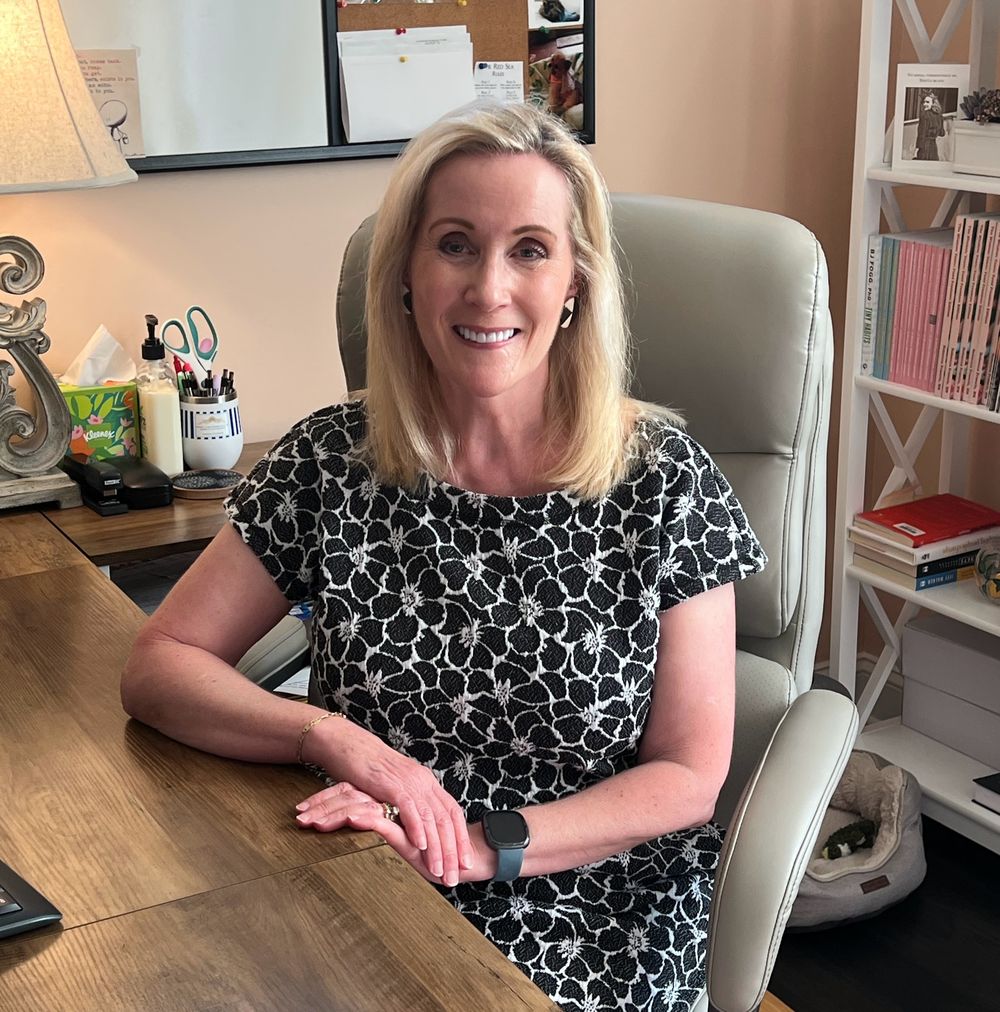
ABOUT REBECCA FRANCIS
I’m Rebecca Francis, a Registered Nurse with 30 years of experience and a Master of Science in Health Systems Management, along with certifications as a Functional Medicine Certified Health Coach and NASM Certified Nutrition Coach. I built my entire coaching system around the scope of practice line. Not because I read about it. Because I got flagged.
When I built my first coaching program, I was careful to stay inside my scope of practice. My posts got flagged anyway. My ads wouldn’t run. So I asked AI to review my flagged posts and rewrite them. Some of what it handed back got flagged too. AI doesn’t have a scope of practice. You do.
What I finally understood was that the problem wasn’t what I knew. It was how my sentences were built. I had been checking. Reviewing. Hoping. And hoping is not a system.
So I rebuilt my program from the ground up. I built a coaching system where the scope boundaries were architectural, woven into every module, every guide, every piece of client-facing language. Scope of practice is health system architecture, and health systems are the field my graduate degree is in. This is the work I was trained for.
Knowing the Line is what that rebuild taught me, handed directly to you. Everything I learned building it for myself, organized so you can apply it to everything you create.
Your credential took years of hard work to earn. I can’t promise what a platform or a board will do with a sentence. What I can show you is how to build one that stays inside your scope.
START KNOWING THE LINE
Enroll today for $97
You get instant access to all five modules and all six reference tools the moment you enroll. Work through the whole course in an afternoon, or take one module at a time.
You’ve been second-guessing long enough.
Let’s change that.

